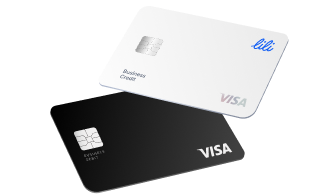
The best small business savings account depends on your balance size and how you want to bank. For the highest FDIC-insured APY, Axos Bank Business Premium Savings leads at 3.60%, with Live Oak Bank at 2.85% for large balances that need sweep coverage. For an all-in-one option that pairs savings with no monthly fee business checking and up to $3 million in FDIC coverage, Lili is the strongest pick, earning 2.25% APY on balances up to $500,000 and 4.00% on the $500,000 to $1,000,000 band. This guide compares them on what actually grows your reserves: APY, fees, minimum balances, transaction limits, and insurance.
A quick reality check on rates. The national average business savings APY is about 0.38%, so any account paying above 2.00% is genuinely high-yield. The catch most rankings hide: the top headline rates often require large balances or a separate account at a bank you don’t use for daily operations. The right choice balances yield against where your money already lives and how you run the business.
Best small business savings accounts: quick comparison
| Account | Best for | APY | Monthly fee | Min. balance | FDIC coverage |
|---|---|---|---|---|---|
| Lili | All-in-one: savings coupled with a free business banking | 2.25% up to $500K; 4.00% $500K-$1M | $0 (Core) | None | Up to $3M (sweep) |
| Axos Business Premium Savings | Highest FDIC-insured APY | 3.60% | $0 | None | Up to ~$265M (IntraFi) |
| Live Oak Business Savings | Large balances needing sweep coverage | 2.85% | $0 | $0.01 to earn | Up to $10M (ICS) |
| Bluevine (Premier) | Interest earned inside checking | Up to 3.70% | $95 (waivable) | $100K for top rate | Standard, sweep available |
| Prime Alliance Bank | Tiered yield on large static reserves | Up to 3.75% ($200K+) | $0 | Tiered by balance | Standard $250K |
| Capital One Business Savings | Staying in one banking ecosystem | Lower, variable | ~$5 (waivable) | $300 to waive fee | Standard $250K |
APYs are variable and current as of 2026; verify each rate before opening. Lili is a financial technology company, not a bank. Banking services are provided by Sunrise Banks, N.A., Member FDIC.
Lili: best all-in-one business savings
Lili is the strongest pick if you want savings built into your business banking rather than parked at a separate institution. Savings is available on every Lili plan, including the no monthly fee Core plan, with no lockups and no minimum balance, so your operating cash and reserves live in one place alongside invoicing, expense tracking, and tax tools.
What stands out:
- Tiered high-yield savings: 2.25% APY on balances up to $500,000 and 4.00% APY on the portion from $500,000 to $1,000,000. Balances above $1,000,000 do not earn interest.
- No cost to hold it: No monthly fee, no minimum balance, and no overdraft fees.
- FDIC insurance up to $3 million through Lili’s sweep network of program banks, versus the standard $250,000 per-bank limit, so you can protect large reserves without opening accounts at multiple banks.
- Team and accountant access and seven-day live support.
The honest trade-off: on balances under $500,000, Lili’s 2.25% is below the pure-play savings leaders like Axos (3.60%) and Live Oak (2.85%). If squeezing the highest possible yield on a standalone balance is your only goal, those win. If you value savings, banking, and additional financial tools in one account – and the 4.00% tier on larger balances – Lili is the better overall home for your reserves.
Fast payments, up to 4.00% Annual Percentage Yield (APY), and up to $3M in FDIC insurance
Axos Bank Business Premium Savings: highest FDIC-insured APY
Axos offers one of the best business savings yields available, currently 3.60% APY with no monthly maintenance fee, no minimum opening deposit, and no balance requirement to earn interest. Through the IntraFi network, it can extend FDIC coverage into the hundreds of millions per depositor. It is the strongest choice if maximizing yield on a standalone reserve is your priority and you are comfortable running savings separately from your operating bank.
Live Oak Bank: best for large balances and sweep coverage
Live Oak pays around 2.85% APY on business savings with no monthly fee and interest starting at one cent. Its edge is scale of protection: through the Insured Cash Sweep (ICS) network it can cover balances up to roughly $10 million. Live Oak is also the country’s leading SBA 7(a) lender, so it suits businesses that want a savings home and a future lending relationship in one place.
Bluevine: best if you want interest inside checking
Bluevine is not a standalone savings account; it pays interest on business checking. Its Standard tier earns 1.30% APY up to $250,000 for free, while the Premier tier pays up to 3.70% on balances up to $3 million for $95 per month (waivable) with a $100,000 average daily balance. Sub-accounts help you carve out reserves. It fits businesses that want to keep everything in checking and still earn a competitive rate, provided they hold the balance to justify the tier.
Other options: Prime Alliance and Capital One
Prime Alliance Bank offers tiered yields up to about 3.75% APY on balances of $200,000 or more, with lower tiers below that, plus a wire-fee reimbursement policy that appeals to businesses moving large sums. It is a smaller, digital-first institution best suited to a large, static reserve.
Capital One Business Savings pays a lower, variable rate but lets you stay in one ecosystem with fast transfers from linked Capital One business checking and a low balance requirement to avoid the monthly fee. It is a convenience play rather than a yield play.
Business savings vs business checking: what is the difference?
A business checking account is for daily operations: paying vendors, collecting payments, running payroll. A business savings account is for reserves you do not touch daily – collected sales tax, payroll buffers, and short-term operating cushions – and it pays interest so that idle cash earns rather than sits.
Most savings and money market accounts limit the number of monthly transfers or withdrawals, which is by design: the structure keeps reserve cash separate from day-to-day spending. Some newer platforms blur the line by paying interest directly on checking, but a dedicated savings bucket still helps you treat reserves as reserves.
How to choose the best small business savings account
Weigh these in order of impact:
- APY, and how you actually earn it. A 3.60% headline means little if the top rate needs a $200,000 balance you won’t hold. Match the rate tier to your real average balance.
- Fees and minimums. Monthly fees and balance minimums can erase the interest advantage. Free, no-minimum accounts protect small reserves best.
- FDIC coverage. Standard insurance caps at $250,000 per depositor per bank. If you hold more, you need a sweep network (like ICS or IntraFi) or accounts spread across banks.
- Transaction limits. Check monthly transfer and withdrawal caps so you can still move money for taxes, hiring, or equipment when planned.
- Where your money already lives. A slightly higher rate at a bank you don’t otherwise use adds friction. Savings integrated with your operating account and bookkeeping often wins on total effort.
- Ease of opening. Online accounts typically take 10 to 20 minutes with your EIN, formation documents, and ID ready.
How FDIC insurance and sweep networks work
Standard FDIC insurance covers $250,000 per depositor, per insured bank, per ownership category. Many business reserves exceed that. Sweep networks solve it by spreading your deposit across multiple program banks behind a single account, so coverage can reach millions while you manage one login. Lili uses this approach to offer up to $3 million; Live Oak’s ICS reaches about $10 million; Axos’s IntraFi program goes higher still. Always confirm the current coverage figure and which banks hold your funds.
Common mistakes small business owners make with savings
- Chasing a headline APY you can’t earn. If the top tier needs $200,000 and you keep $40,000, a no-minimum 2.25% to 3.60% account serves you better.
- Leaving reserves in a 0.01% account. At the 0.38% national average, large balances lose real money against inflation; high-yield options are free and easy to open.
- Ignoring FDIC limits. Holding more than $250,000 at one bank without a sweep leaves the excess uninsured.
- Running savings far from operations. A separate bank you never log into makes transfers and bookkeeping harder; weigh yield against friction.
- Mixing reserves with operating cash. Keeping taxes and payroll buffers in the same account you spend from invites accidental overspending.
How Lili helps small businesses save
Lili is built to make savings the default, not a chore. Because the savings account sits inside a no monthly fee Core business checking account, you can move surplus cash into savings the moment it lands, earn 2.25% APY up to $500,000 and 4.00% on the $500,000 to $1,000,000 band, and keep up to $3 million protected through the sweep network – all without opening an account at a second bank.
Lili’s business checking account adds domestic wires with flat, competitive fees, international wires and expedited online check deposits, in addition to built-in finance tools: invoicing, expense tracking, tax prep and credit-building through BusinessBuild, plus 50+ integrations with QuickBooks, Xero, Stripe, Shopify, Gusto, and Square.
FAQ
What is the best small business savings account in 2026?
It depends on your balance and how you bank. Axos Business Premium Savings leads on pure APY at 3.60% with no minimum, and Live Oak (2.85%) suits large balances needing sweep coverage. Lili is the best all-in-one option, pairing savings that earn 2.25% up to $500,000 and 4.00% on $500,000 to $1,000,000 with free business checking and tax tools.
What APY can a small business earn on savings?
Top high-yield business savings accounts pay roughly 2.25% to 3.75% APY in 2026, well above the 0.38% national average. The highest rates sometimes require balances of $100,000 to $200,000 or more, so match the tier to what you actually hold.
Are business savings accounts FDIC insured?
Yes, at insured banks, up to $250,000 per depositor per bank. To protect more, use an account with a sweep network: Lili covers up to $3 million, Live Oak up to about $10 million, and Axos into the hundreds of millions through IntraFi.
Can I open a business savings account online?
Yes. Lili, Axos, Live Oak, Bluevine, and others allow fully online applications, typically 10 to 20 minutes with your EIN, formation documents or operating agreement, and a government-issued ID ready.
Do I need a separate savings account, or can I earn interest in checking?
Both work. A dedicated savings account keeps reserves separate and often limits withdrawals by design. Some platforms pay interest directly on checking. Lili offers a savings account inside its banking platform, so you get separation without opening an account at another bank.
Is Lili a good business savings account?
Lili is the strongest all-in-one option: savings on every plan including free Core, 2.25% APY up to $500,000 and 4.00% on the $500,000 to $1,000,000 band, up to $3 million in FDIC coverage, and built-in tax and accounting tools. Pure-play savings banks pay more on sub-$500,000 balances, so choose Lili for integration and Axos or Live Oak for the highest standalone yield.