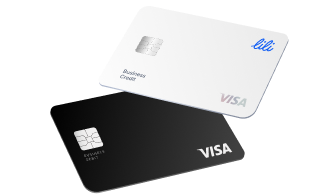
While opening a dedicated bank account is an essential step for any startup, choosing a provider can be difficult. Not only is there a multitude of options, but the offerings vary widely from one account to the next. To help you find the right fit, we evaluated a lineup of business bank account providers based on their fees, features, FDIC insurance, access to capital, and more. The result? Lili came out on top as the best overall bank account for startups in 2026. However, other providers can be better in certain situations. For example, Novo is ideal for solopreneur bootstrappers, while Mercury is optimized for larger, venture-backed organizations. Here’s a breakdown of our findings, along with tips on how to find the best bank account for your company’s needs.
Best Bank Accounts for Startups at a Glance
| Bank | Best For | Fee | FDIC Coverage | Standout Feature |
| Lili | Small teams (1-10 employees) | $0-$55 | Up to $3M | Up to 4.00% APY in business savings + BusinessBuild program |
| Bluevine | Interest on checking | $0-$95 | Up to $3M | Highest-yield checking tier |
| Novo | Simple freelancer banking | $0 | $250K | ATM fee refunds |
| Relay | Multiple budgets | $0-$120 | Up to $3M | Up to 20 sub-accounts |
| Mercury | VC-backed startups | $0-$299 | Up to $5M | Treasury + venture debt access |
| Rho | High-growth, AP-heavy teams | $0 | Up to $75M | Bill pay + expense mgmt bundled |
| Brex | Corporate card-first startups | $0-$12, custom for enterprises | Up to $6M | Spend controls, card-first design |
| SVB | High-growth startups | $32 to $50 | Multi-million dollar coverage | Startup advisors and networking |
APYs are variable and current as of 2026; verify each rate before opening. Lili is a financial technology company, not a bank. Banking services are provided by Sunrise Banks, N.A., Member FDIC.
What “Best Bank Account for Startups” Actually Depends On
To identify the best bank accounts for startups, we evaluated reputable business banking providers, considering key factors such as fees, features, APYs, FDIC insurance, payment capabilities, integrations, capital access, treasury access, and customer support. We also considered how a startup’s banking needs can differ depending on their entity type, funding model, and growth stage. Below, you’ll find our overall top pick for startups, along with recommendations for founders who are bootstrapping and backed by venture capital (VC) funds.
Lili — Best Overall for Startups
Lili is a fintech company that offers advanced business banking services through a partnership with Sunrise Banks, Member FDIC, along with software to help you manage your financial operations and business credit. With the $0-per-month base plan, Lili Core, you get a checking account with a Visa® debit card and a savings account with competitive yields: 2.25% APY on savings balances up to $500,000 and 4.00% APY on balances from $500,001 to $1,000,000. Accounts also come with up to $3 million in FDIC insurance, fee-free access to MoneyPass ATMs, integrations, access to capital, same-day ACH transfers, and international wires in over 140 currencies.
Beyond banking, you can upgrade to one of Lili’s three paid plan tiers to gain access to the following additional features:
- Lili Pro ($15/mo): Organize expenses into tax categories, attach receipts to expenses, generate quarterly and annual expense reports, and automate tax savings allocations.
- Lili Smart ($35/mo): Everything in Lili Pro plus AI-powered transaction categorization, enhanced reporting, invoice management, bill management, and the ability to sync external financial accounts.
- Lili Premium ($55/mo): Everything in Lili Smart plus premier priority service.
You can also add the BusinessBuild Program to any Lili plan for $18 per month (for the first 3 months) and will gain access to two tradelines, real-time credit updates from Dun & Bradstreet, and credit building training.
Overall, Lili offers a powerful banking and financial operations platform with competitive pricing and features. The company has a 4.7-star rating on Trustpilot after over 4,320 reviews, with many reporting it’s incredibly helpful for streamlining business finances. However, Lili is best for those who are fully comfortable with digital banking, as it doesn’t offer brick-and-mortar locations.
Eligible entities: Single‑member LLC, multi‑member LLC, S‑Corp, C‑Corp, General Partnership, Limited Liability Partnership, Sole Proprietor with DBA, Non-profit organization
Other Strong Options for Bootstrapped Startups
While Lili can be a great fit for many types of startups, the following providers are worth considering if you’re bootstrapping.
Bluevine
Bluevine offers a base plan with no monthly fee that includes a business checking account. Unlike Lili, it doesn’t include a savings account, but you can earn a 1.3% APY on checking account balances up to $250,000. Further, Treasury services are available once your balance reaches $50,000. Beyond the free plan, Bluevine offers two paid plans, which unlock additional sub-accounts, higher checking account APYs, and discounts on payment fees.
Novo
Novo offers a single plan with no monthly fee that’s designed for independent business owners. It includes a checking account with a debit card, alongside invoicing, expense categorization, bill pay, and eligibility to apply for Novo’s credit products. While the company doesn’t have an ATM network, it does refund up to $7 in ATM fees per month. On the downside, FDIC insurance is limited to $250,000, and there’s no APY.
Relay
Relay can be a good option for bootstrapped startups that need team-friendly banking tools. The free Starter plan includes business checking and business savings with a 1.11% APY, along with light support for invoicing, bill pay, and expense management. Further, you can have up to 20 checking accounts per business, 50 debit cards, unlimited users, and seven employee permission levels. Paid plans are also available, which unlock higher APYs, lower transaction costs, and additional operational features.
Bank Accounts for Venture-Backed and High-Growth Startups
Venture-backed and high-growth startups tend to have different needs than earlier-stage operations. If your business falls in this category, here are a few alternatives to consider:
- Mercury: Mercury is built for scale with up to $5M in FDIC insurance, 100 checking and 100 savings accounts per company, an invoicing API, Treasury access when balances reach $250K, and venture debt financing.
- Rho: Rho has no monthly service fee, fee-free payments, up to $75M in FDIC insurance protection, and bundled bill pay and expense management.
- Brex: Brex offers checking, Treasury yield from first dollar, and vault in one account. It also grants you access to corporate cards with rewards and spending controls.
- SVB: SVB offers expert guidance from startup advisors and opportunities to connect with investors and other key players in the startup ecosystem.
FDIC Insurance for Startups
The Federal Deposit Insurance Corporation (FDIC) insures deposits of up to $250,000 per depositor, per ownership category at Member FDIC banks. As a result, if you deposit money into an account at an FDIC-insured bank and the bank fails, the FDIC will send you the covered amount via a check or bank transfer.
Covered deposit types
FDIC insurance covers deposits in a variety of deposit account types, including checking, savings, money market, and time deposit accounts. However, it doesn’t cover funds held in non-deposit investment products, such as stocks, bonds, and mutual funds.
Ownership categories
The FDIC covers up to $250,000 in deposits per ownership category, which include:
- Joint accounts
- Single accounts
- Certain retirement accounts
- Trust accounts
- Employee benefit plan accounts
- Corporation/partnership/unicorporated association accounts
- Government accounts
For example, suppose you have a sole proprietorship and an incorporated business. You could open a single account and a corporate account at the same FDIC-insured bank, and each would be insured up to the standard $250,000 limit. However, if you open single accounts for two different sole proprietorships at the same bank, the $250,000 limit will apply across both.
Sweep networks
You may have noticed that many business bank account providers offer FDIC insurance with limits in the millions—well above the standard $250,000 of protection. These higher limits are possible due to sweep networks. When banks use a sweep network, the system automatically transfers deposits exceeding $250,000 into accounts with other FDIC-insured partner banks. However, funds remain accessible through the account owner’s primary account interface, and users receive a unified statement from their institution.
How to Choose the Right Bank Account for Your Startup
As you shop around and compare business bank account providers, considering the following key features can help you find the right fit:
- Services and features: Check if a provider offers the services and features your startup needs, such as checking and savings accounts, same-day ACH transfers, international wire transfers, bill pay, invoicing, financing, credit-building support, and ATM access.
- Fees: Review and compare the fee schedules of each provider you’re considering. Pay close attention to fees for the services you plan to use most.
- FDIC insurance: Estimate the dollar amount you’ll hold in your bank account(s) per ownership category and look for a bank that provides adequate FDIC insurance.
- Integrations: Review the third-party financial tools you want to use alongside your bank account, and look for a provider that offers integrations for them.
- Entity type support: Check the business entity types that providers support, and ensure your entity type is included.
- APY: Compare APYs of different providers to see which will help you earn the most interest on the funds in your account(s).
- Customer support: Check the customer service channels and business hours to ensure they fit your needs. Also, check reviews from past customers to gauge the general level of satisfaction.
- Growth stage match: Evaluate whether the company is a good fit for startups at your growth stage with your trajectory.
The best fit will offer most, if not all, of the services you need and want at a competitive price.
Common Mistakes Startups Make When Choosing a Bank Account
Now that you know the key factors to consider when choosing a bank for your startup, here are four common mistakes to avoid:
- Choosing the wrong-stage platform: Selecting a bank designed for startups that are in a different development stage can leave you paying for unnecessary features or lacking the tools you need as your business grows.
- Ignoring FDIC rules: Failing to understand how FDIC insurance applies to your accounts could leave some of your deposits uninsured.
- Overlooking tech consolidation opportunities: Choosing a bank without considering which can best serve your wider financial needs can mean missing opportunities to save money and streamline your financial operations.
- Not checking fees: Banking costs vary widely across providers, and even across plans from the same provider. If you don’t compare fee schedules carefully, you could end up paying more than necessary for services.
By avoiding these common mistakes, you can improve your odds of getting the most from your new business bank account.
Opening Your Startup’s New Business Bank Account
Once you find the right provider for your startup, the next step is to open an account. With fintech companies, you can often do so online from the comfort of your home. The process typically involves these three main steps:
- Provide information about the business owner(s): Share the required personal identifying information about the business owner or owners, such as the owner’s name, address, phone number, email, birthday, Social Security number, and ownership percentage.
- Provide information about your startup: Share the required information about the business, such as the business name, trade name, EIN, entity type, industry, and address.
- Submit business documents: Share the required documents. Banking platforms often need documents to confirm your startup is properly formed and active, such as the Articles of Organization, Operating Agreement, and IRS EIN letter.
Does Lili sound like the right fit for your startup? If so, Lili Core grants you access to advanced banking without a monthly fee. Alternatively, you can sign up for a 30-day free trial of Lili Smart to try out all the features and see which plan will best suit your startup long-term.
Open a Lili business bank account today for free!
FAQ
What is the best bank for a new startup with no funding?
For a new startup with no outside funding, the best bank is typically one with no monthly fee, low transaction costs, and tools that simplify day-to-day financial management. In our review, Lili, Novo, and Relay stood out as strong options.
Do startups need a separate business account?
Yes. Keeping business and personal finances separate makes it easier to track cash flow, prepare taxes, and maintain accurate records. If you’ve formed an LLC or corporation, a dedicated business bank account also helps protect the legal separation between you and the business.
How much FDIC insurance do startup accounts get?
The standard FDIC insurance limit is $250,000 per depositor, per ownership category, per FDIC-insured bank. However, some business banking providers use sweep networks to offer coverage in the millions. For example, Lili offers FDIC insurance up to $3 million.
Can a sole proprietor use the same banks as an LLC?
It depends. Bank account providers can decide which business entities they support, such as sole proprietors, LLCs, both, or neither. Before applying for an account, verify that the company supports your legal business structure.
What should you consider when choosing between Mercury vs. Lili?
Lili is built for small businesses running real operations, not for startups optimizing around venture funding. As a team grows toward 10 employees, the money movement gets heavier and more time-sensitive: payroll, vendor payments, client receivables all need to clear fast and reliably. Lili delivers that with fast payments, high transaction capacity, and dependable human support seven days a week. Mercury is built around the assumptions of VC-backed tech companies – treasury tools for parking large funding rounds, venture debt tied to a cap table. A 10-person business running on revenue, not runway, doesn’t need those tools; it needs banking that keeps up with its operations and credit it can actually access without a funding round behind it.
Do I need a business credit card as a new startup?
You don’t necessarily need a business credit card, but having one can be beneficial. If the credit card provider reports to the business credit bureaus, using the card responsibly can help you build business credit. It may also grant you access to capital, simplified expense management, rewards, and member benefits.