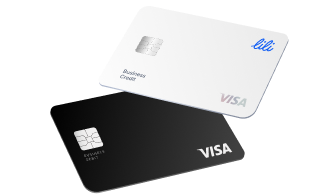
Lili and Mercury are two reputable leaders in the business banking platform space. Both offer checking and savings accounts, alongside tools for accounting, taxes, payments, and more. However, there are a few key differences between the two that can make one a better fit than the other. If you’ve been wondering which is best for your business, here’s a breakdown of everything you need to know—from fees and features to customer service and financing options.
| Lili | Mercury | |
| Monthly fee | $0, $15, $35, $55 | $0, $35, $350 |
| Key features | Free plan with business banking, high FDIC insurance limit, APY up to 4.00%, lender network access, business credit building (optional at an extra fee), robust customer support | Free plan with business banking and financial tools, high FDIC insurance limit, invoicing API, multiple in-house financing options |
| Trustpilot ratings (star rating out of 5) | 4.7 | 3.9 |
| Best for | Growing businesses with teams of up to 10 employees | Tech startups |
What Is Lili?
Lili is a fintech company that provides an online business banking platform for small and mid-sized business owners. Since its launch in 2018, the company has served more than 200,000 businesses and earned a 4.7-star rating on Trustpilot. The platform’s key offerings include business banking, lending, accounting, tax preparation, invoicing, bill pay, and credit building. Being a fintech rather than a bank, Lili’s banking services are provided by Sunrise Banks, N.A., Member FDIC.
What Is Mercury?
Mercury is a fintech company that provides a digital banking platform for entrepreneurs. Since its founding in 2017, it has grown to serve over 300,000 customers and earned a 3.9-star rating on Trustpilot. The platform’s key offerings include business banking, invoicing and bill pay tools, accounting automation, credit products, treasury access, and an invoicing API. Also not a bank, Mercury’s banking services are provided by iChoice Financial Group and Column N.A., Member FDIC.
Plan Options Compared
Lili and Mercury both offer a lineup of plan options that gradually increase in price and features. Here’s how they break down.
| Monthly fee | Business checking and savings | APY | Invoicing | AI transaction categorization and receipt attachment | Dedicated account specialist | |
| Lili Core | $0 | Yes | Yes | No | No | No |
| Lili Pro | $15 | Yes | Yes | No | Yes (expenses) | No |
| Lili Smart | $35 | Yes | Yes | Yes | Yes (expenses and income) | No |
| Lili Premium | $55 | Yes | Yes | Yes | Yes (expenses and income) | Yes |
| Mercury | $0 | Yes | No | Yes | Yes (expenses and income) | No |
| Mercury Plus | $35 | Yes | No | Yes | Yes (expenses and income) | No |
| Mercury Pro | $350 | Yes | No | Yes | Yes (expenses and income) | Yes |
Promotions: You can get a free 30-day trial of any Lili plan. If you sign up after the trial, you’ll get 40% off the plan you choose for three months. Mercury operates a standard cash sign-up bonus via customer and partner referral links.
Verdict: Lili’s plans gradually unlock a variety of financial tools and benefits, topping out at $55 per month for full access to all of the features and a dedicated account specialist. Mercury front-loads many financial tools into its free plan, though some features remain limited or unavailable. It then offers paid plans up to $350 to support larger-scale operations. The better fit for your business depends on your specific needs. Learn more below.
Account Features and Banking Tools
Lili and Mercury both offer business checking and savings accounts that you can access without paying a monthly fee. While the standard FDIC insurance limit is $250,000 per depositor, per institution, both companies offer higher limits through partner banks and their sweep networks. Lili insures up to $3 million in deposits per customer, while Mercury insures up to $5 million. Both also offer debit cards with major payment networks—Lili with Visa and Mercury with Mastercard.
The two diverge a bit more when it comes to ATM access and interest yields. Lili accounts come with surcharge-free access to approximately 40,000 MoneyPass ATMs, while Mercury doesn’t have an ATM network. Mercury doesn’t charge ATM fees, but you’ll be subject to the fees of all ATM operators. Lili also offers an APY of up to 4.00% on its savings accounts. Mercury doesn’t allow cash deposits or offer an APY.
However, Mercury shines in its lack of fees for money transfers. Most business bank account providers, including Lili, charge fees for express ACH transfers, outgoing domestic wire transfers, and outgoing international transfers. Mercury doesn’t, which can offer meaningful savings for those who use those services frequently. Mercury also offers a yield of up to 3.66% on Mercury balances over $250,000 through its Treasury program.
Verdict: Lili is the better fit if you use ATMs or make cash deposits regularly. It’s also beneficial if you want to earn interest on a balance as low as $1. Mercury can be better if you run a digital company that doesn’t handle physical cash, expect to carry a balance over $3 million, or process frequent outgoing wire transfers.
| Lili | Mercury | |
| Monthly fee for banking | $0 (Lili Core) | $0 |
| FDIC insurance maximum limit | $3 million | $5 million |
| Debit card network | Visa | Mastercard |
| Express ACH fee | 1.5% ($0.50 – $20) | $0 |
| ATM network | MoneyPass | None |
| Outgoing domestic wire fee | $15 | $0 |
| Outgoing intl. wire fee | $25 | $0 |
| APY | 2.25% to 4.00% | No* |
| Foreign transaction fee | None | 3% |
| Cash deposit locations | 90,000+ Green Dot Locations | No |
*Mercury doesn’t offer an APY on its business checking or savings account, but does offer a yield of up to 3.66% to eligible customers with a balance of at least $250,000 through Mercury Treasury.
Tax and Accounting Tools
Lili and Mercury are designed to help you streamline common accounting and tax tasks. Both automatically categorize transactions using AI and allow you to attach digital receipts to your transactions. Further, both offer personalized advice from an AI-powered tool and on-demand financial reporting. These features are included in Mercury’s base plan and select Lili paid plans.
If you want to open multiple accounts, you can do so with both platforms. Lili allows five accounts per user profile, while Mercury offers up to 100 checking accounts and 100 savings accounts. You can also set up a tax bucket within your Lili account and automatically transfer funds to save for taxes.
As for integrations, Lili supports over 50 while Mercury supports just three (QuickBooks, NetSuite, and Xero). Lili’s Smart and Premium plans also let you sync external bank accounts and cards to the platform so you can manage all your business finances in one place—a feature Mercury lacks.
Verdict: Lili comes out ahead as it offers more robust accounting and tax tools on its paid plans. It also supports far more integrations. However, Mercury can be better if you want more from a free plan or need more than five accounts.
| Lili | Mercury | |
| Number of accounts | 5 | 200 |
| AI-powered expense categorization | Yes | Yes |
| Auto-allocation of funds into separate accounts | Yes | Yes |
| Receipt attachment to transactions | Yes | Yes |
| On-demand financial reports | Yes | Yes |
| Connect external bank and credit card accounts | Yes | No |
| Real-time, personalized AI advice | Yes | Yes |
| Integrations | 50+ | 3 |
| Recurring bill payments | Yes | Yes |
Invoicing and Payment Processing
Next, Lili and Mercury can help you send invoices and collect payments for your business. With both companies, you can send unlimited invoices, create customized invoices, automate payment reminders, download invoices as PDFs, and track the status of payments. Both also use Stripe to enable a wide range of payment methods. Mercury includes these features on its base plan, while Lili supports them on its Smart and Premium plans.
One key difference to note is that Mercury’s free plan doesn’t support incoming ACH invoice payments, and the company charges $1 per ACH invoice payment with its Plus plan. Lili doesn’t charge fees on top of Stripe’s for any kind of invoice payments.
Mercury, however, goes further on this front by offering an invoicing API that lets you create, send, and track invoices programmatically. While it’s read-only for free subscribers, Plus subscribers can create 500 invoices per month, and Pro subscribers can use it without limits.
Verdict: Mercury is best if you’re looking for a free financial platform that facilitates invoicing and payment collection, as long as you don’t need to get paid by ACH. If you do, Lili will likely be a better fit. Mercury can also be appealing if you’d like to programmatically send invoices at scale using the company’s invoicing API.
| Lili | Mercury | |
| Unlimited invoices | Yes | Yes |
| Brand customization | Yes | Yes |
| Automated payment reminders | Yes | Yes |
| Download PDF | Yes | Yes |
| Track payment status | Yes | Yes |
| Payment options | ACH, credit, debit, PayPal, Venmo, Cash App, checks | ACH*, credit, wire, Apple Pay, Google Pay |
| Payment integrations | Stripe | Stripe |
| Invoicing API | No | Yes |
*Mercury’s ACH invoice payment support varies by plan. It’s not supported on the free plan, costs $1 per ACH debit transaction on the Plus plan, and is fully supported without an additional fee per transaction on the Pro plan.
Support for International Founders
Both Mercury and Lili allow international founders who own U.S.-registered businesses to open accounts. You don’t need to be a U.S. citizen or resident to get approved. Lili currently supports applicants from select countries across multiple regions outside the U.S., while Mercury supports applicants from all but about 50 prohibited or sanctioned countries. One key difference between the two is that Mercury requires founders to have existing or planned operations in the U.S., while Lili allows operations to be in or outside the U.S.
Verdict: Lili is more flexible when it comes to operational requirements for international founders, while Mercury supports founders in more countries.
Customer Support
Lili offers more comprehensive customer support than Mercury. You can reach the company by phone and email on weekdays from 9:00 a.m. to 8:00 p.m. EST, and by email on weekends from 9:00 a.m. to 6:00 p.m. EST. You can also open the Lili app and choose “Chat” to send a message to the team, or chat with the Lili AI Assistant on the platform 24/7. Further, Premium Lili members get a dedicated account specialist assigned to their account.
Mercury’s customer support is much more limited. The company doesn’t have a customer support phone number, which can be frustrating if you’re facing an urgent or complicated problem. The primary way to get help is using the 24/7 chat, where team members reportedly respond within five minutes. You can also send an email or seek answers in the online Help Center. That said, Mercury does offer a dedicated account specialist to Pro plan members.
Verdict: Lili pulls ahead on the customer service front, with more support channels than Mercury and a higher rating on Trustpilot.
| Lili | Mercury | |
| Phone support line | Yes | No |
| Email support | Yes | Yes |
| Live chat | Yes (AI and human) | Yes (human) |
| Support on weekends | Yes | Yes |
| Dedicated account specialist | Yes (Premium plan) | Yes (Pro plan) |
| AI assistant 24/7 | Yes | No |
| TrustPilot rating | 4.6 | 3.9 |
Funding and Credit Building
Lili, in collaboration with Dun & Bradstreet, offers a program called BusinessBuild that helps business owners build their business credit. You can add it to your Lili plan for $30 per month and will get access to two tradelines with Dun & Bradstreet—a secured credit card and the plan subscription. From there, you can monitor your business credit scores and ratings from your Lili dashboard. When you’re ready to get business financing, Lili can connect you to its network of lending partners that offer business loans and lines of credit.
Mercury offers working capital loans with a fixed repayment schedule, flat fee pricing, and competitive rates. Approval is based on the revenue your business earns from all e-commerce sales platforms and doesn’t require a personal guarantee. Additionally, Mercury offers a business credit card with 1.5% cash back on all spending and venture debt financing to startups.
Verdict: Lili is better for establishing business credit and gaining access to a wide range of reputable lenders for loans and lines of credit. Mercury can be better for startups looking for venture debt or a working capital loan.
Lili vs Mercury: Which One Should You Choose?
The right fit depends on a variety of factors. You’ll have to evaluate your needs and preferences, and then figure out which company provides the better overall value for your unique situation. Whether you choose Lili or Mercury, you’ll gain access to a reputable business banking platform that can help you streamline your financial operations. However, Lili is generally better for small digital or brick-and-mortar businesses with teams of up to 10, while Mercury tends to be better for larger digital companies or those looking to scale.
Key differentiating factors to note include:
Lili
- Comprehensive customer support you can reach over the phone or virtually
- Tools to build business credit
- No Lili fees on invoices paid by ACH
- No foreign transaction fees
- Allows cash deposits at 90,000+ locations
- 40,000 surcharge-free ATMs
- More integrations (50+)
- Approves international founders of U.S. businesses with or without operations in the U.S.
- Access to capital through a network of lending partners
- The ability to sync all your cards and bank accounts in one place
Mercury
- Free plan with banking and financial tools
- No wire transfer or express ACH fees
- More accounts per user (200 vs. 5)
- Invoicing API to programmatically send invoices at scale
- Employee reimbursements
- Venture debt and working capital loans
- Credit card with 1.5% cash back on spending
If you’d like to compare other options, check out our in-depth comparisons of Lili vs. Novo, and Lili vs. Found!
Does Lili sound like the right fit? Start your free trial of Lili Premium today!