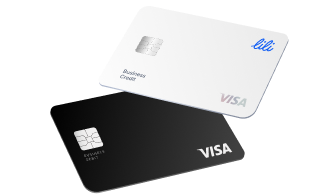
A good bank for small business charges $0 for the basic tier, insures deposits well above the standard $250,000, gives every team member their own login with spending controls, and keeps working as the business adds employees and revenue. On that standard, Lili, Bluevine, Chase, and Mercury are the strongest picks in 2026, each suited to a different stage of growth. The right one depends on the needs of the business and how it actually moves money – cash-heavy, card-heavy, or transfer-heavy.
What Actually Makes a Business Bank “Good”
Most comparison lists rank banks by fees alone. Fees matter, but they miss the criteria that decide whether a bank still works once a business hires its first employee or crosses a few hundred thousand dollars in deposits.
FDIC coverage beyond $250,000. The standard FDIC limit covers $250,000 per depositor, per bank. Businesses holding payroll reserves or seasonal cash often exceed that in a single account. Banks that sweep deposits across partner banks can insure $1M-$3M without opening multiple accounts.
Team access, not just a debit card. A single-owner login stops working once a business has a bookkeeper, a co-founder, or an employee who needs to make purchases. Look for individual logins, card-level spend limits, and accountant access that doesn’t require sharing a password.
Fees that don’t punish growth. A $0 tier is only useful if the paid tiers stay reasonable when the business needs invoicing, bookkeeping, or tax tools. Some banks are free at first, then jump sharply at the first upgrade.
Built-in tools instead of stitched-together software. Invoicing, expense categorization, and tax savings that live inside the banking app remove a reconciliation step compared with connecting three separate SaaS tools.
Support that responds in days, not weeks. Fully digital banks vary widely on this. Live support within the same week matters more than a bank’s total branch count for most day-to-day issues.
The Best Banks for Small Business in 2026
Lili – Best overall for growing teams
Lili’s Core plan is $0 a month and comes with FDIC coverage up to $3M through Lili’s sweep network with Sunrise Banks and access to a savings account paying up to 4.00% APY. Lili built its Core tier specifically for teams as they scale past the solo-operator stage – multiple team logins, expense controls, and 7-day support are included at no cost, with paid Pro ($15/mo), Smart ($35/mo), and Premium ($55/mo) tiers adding invoicing, bookkeeping automation, and dedicated support as the business grows.
Bluevine – Best for interest-earning checking
Bluevine pairs a fee-free, interest-bearing checking account with FDIC coverage up to $3M and a line of credit up to $250,000 built into the same account. Strong choice if financing is the priority alongside checking.
Chase Business Complete Banking – Best for cash-heavy businesses
Chase’s branch and ATM network is the largest of any bank on this list, which matters for businesses that deposit cash regularly. The tradeoff is higher fees unless a minimum balance is maintained, and checking doesn’t pay interest.
Mercury – Best for venture-backed startups
Mercury is built for software and tech companies that need to move fast, with Slack and dev-tool integrations and access to venture debt. It’s less suited to businesses that handle physical cash or need in-person banking.
Axos Bank – Best for unlimited ATM refunds
Axos combines a free online checking account with unlimited ATM fee refunds and a savings account backed by an Insured Cash Sweep network that can cover very large balances.
Bank of America – Best for existing BofA relationships
Two tiers – Fundamentals and Relationship – scale with business size, with fees waivable at a minimum balance. Best suited to businesses that want nationwide branch access and are already using BofA personal banking.
How the Top Picks Compare
| Bank | Starting Price | Savings APY | FDIC Coverage | Best For |
|---|---|---|---|---|
| Lili | $0/mo | Up to 4.00% | Up to $3M | Growing teams |
| Bluevine | $0/mo | Up to 3.50% | Up to $3M | Interest-earning checking |
| Chase | $0-$95/mo* | None (checking) | $250K standard | Cash-heavy businesses |
| Mercury | $0/mo | Varies by plan | Extended via sweep | Venture-backed startups |
| Axos Bank | $0/mo | Up to ~1.01% | Up to $250M* | ATM refunds & large balances |
*Chase fees vary by account minimum. Axos figure reflects its Insured Cash Sweep network, not a single-bank FDIC limit.
Traditional Bank vs. Online Bank vs. Credit Union
Traditional banks (Chase, Bank of America) offer the largest branch networks and are the strongest option for businesses that handle cash daily. They typically charge more unless a minimum balance is kept.
Online banks (Lili, Bluevine, Mercury, Axos) usually skip monthly fees entirely, pay interest on checking or savings, and process most transactions through ACH, wire, or mobile check deposit rather than a teller.
Credit unions often have competitive rates and lower fees but restrict membership by location or industry, and typically offer fewer digital tools and integrations than fintech-first banks.
Common Mistakes When Choosing a Business Bank
- Picking based on the free tier alone, without checking what the first paid tier costs once the business needs invoicing or bookkeeping tools
- Assuming all deposits are covered – the standard FDIC limit is $250,000 per bank, not per account
- Opening one login for the whole team instead of individual access with spend limits
- Ignoring how fast support responds – test it before moving payroll over
- Switching banks after the business has already outgrown a solo-operator account, instead of choosing one built to scale from the start
How Lili Helps
Businesses that started on an account built for one person often hit friction once a first employee joins – one login, no spend controls, no accountant access. Lili’s Core plan removes that ceiling at $0/mo: individual team logins, FDIC coverage up to $3M through Sunrise Banks’ sweep network, and a savings account earning up to 4.00% APY sit alongside built-in invoicing and tax tools on the paid tiers, so the account doesn’t need to be replaced as the business adds people or revenue.
Frequently Asked Questions
What is a good bank for small business?
A good bank for small business charges little or nothing at the entry tier, insures deposits above the standard $250,000 FDIC limit, and supports multiple team logins with individual spend controls.
Is a business bank account required for an LLC?
Most states don’t legally require it, but keeping business and personal funds separate is necessary to preserve an LLC’s liability protection and makes bookkeeping and tax filing far simpler.
What’s the difference between a business and personal bank account?
Business accounts add tools like invoicing, employee cards, and accounting integrations, and typically cost more than personal accounts, which don’t offer business-specific features.
How much does business banking cost per month?
Entry-level business checking is commonly $0/mo at online banks like Lili, Bluevine, and Mercury. Paid tiers with invoicing, bookkeeping, or priority support usually range from $15-$55/mo.
Are online-only business banks safe?
Yes, as long as the provider partners with an FDIC-insured bank. Deposits are protected up to the coverage limit disclosed by that partner bank, the same protection a traditional bank offers.
What is a high-yield business savings account?
It’s a savings account that pays a variable APY on cash reserves, often well above what large traditional banks pay on business checking, which is usually 0%.
Does Lili work for businesses with employees?
Yes. Lili is built for teams of up to about 10, with individual logins, card-level spend controls, and accountant access, and supports higher-revenue businesses with larger operating balances.