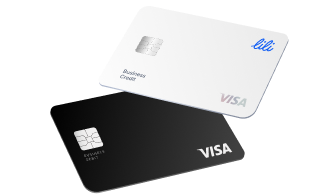
Opening a business bank account for a U.S.-registered small business has never been easier. Gone are the days when you had to schedule an appointment at a physical branch and spend an afternoon signing a stack of papers. Instead, many account providers now offer online applications that can be completed from your phone within a matter of minutes. Once approved, you can often log into the online banking portal, obtain a digital debit card instantly, and receive your physical debit card in the mail soon after. However, there are still a few hoops you’ll need to jump through. Read on for a step-by-step breakdown of how to open a business bank account for your U.S. small business, along with tips on finding the right fit.
What You Need to Open a Small Business Bank Account
To open a small business bank account, you typically need to meet the following basic requirements:
- Age: You must be at least 18 years old to be eligible for an account.
- U.S.-registered business: Your business must be formed and registered in the U.S. as a supported entity type, such as a Limited Liability Company, S-Corporation, C-Corporation, General Partnership, Limited Liability Partnership, Sole Proprietor with a DBA, or Non-profit Organization.
- Employer Identification Number (EIN): You’ll need a nine-digit EIN assigned by the IRS for most entity types. Sole proprietors, however, can use their Social Security Number (SSN).
- Formation documents: You may need documents that verify your company’s entity type and ownership structure.
- Addresses: You generally need to provide a personal address, legal and billing business address, and operational business address.
Bank account providers will also ask for basic information about the primary company owners, those who own at least 25% of the company, and the business itself.
Documents Required by Business Type
When you apply for a business bank account, the provider may request one or more of the following business documents to verify your entity type and ownership structure:
- LLC: EIN letter, Certificate of Formation, Articles of Organization, or similar document filed with the state.
- Corporation: EIN letter, Certificate of Incorporation, Articles of Incorporation, or similar document filed with the state.
- Partnership: EIN letter and a signed Partnership Agreement.
If requested, you can often simply take pictures of the required documents and upload them into the online application portal.
How to Open a Business Bank Account in The USA – A Step-by-Step Guide
Now that you know the basic requirements, let’s take a look at how the process of opening a business bank account in the U.S. works from start to finish.
Step 1: Check the eligibility requirements
The first step is to check the eligibility requirements of the bank account provider you’re considering. Ensure your business’s entity type and industry are supported. Additionally, pay attention to other requirements, such as whether a provider requires an in-person visit to a branch, a physical U.S. business address, or U.S. residency. These factors are especially important if you prefer a fully online application, operate an online business with no physical location, or live abroad.
Step 2: Apply
Once you find a bank account that’s a good fit for your business, the next step is to apply. The application process typically involves entering information about the primary business owner(s) and the business. For example, as an owner, you generally need to provide your name, birthdate, SSN, phone number, and residential address. Additionally, for the business, you often need to provide your company’s legal business name, business address, operation address, entity type, ownership structure, EIN, industry, and annual revenue.
Step 3: Provide Supporting Documents
As you complete the application for a business bank account, providers will request to verify a government-issued photo ID for each primary business owner. Additionally, they may request additional documentation, such as an EIN letter, business formation documents, and documents verifying your business and personal addresses.
Step 4: Approval and account access
After you submit your application and required documentation, the provider will review everything. If any additional information is needed, you’ll be notified. Upon approval, you’ll be granted access to your new business bank account and asked to create a username and password. You can then log in, fund your account, and begin using it. In some cases, business bank accounts may have minimum deposit and balance requirements. When that’s the case, you’ll need to deposit the minimum required amount and maintain the minimum balance to keep the account in good standing.
H3: Step 5: Debit card arrival
The last step is to keep an eye out for your new business debit card in the mail. Bank account providers will generally notify you when the card is shipped and provide an estimated time of arrival, often within seven to 14 days. Once your debit card arrives and you activate it, you can begin using it wherever the card’s payment network is accepted.
What to Look for in a Small Business Bank Account
As you shop around for a small business bank account, you’ll find they’re not all the same. Different providers tend to cater to different types of business customers, so it’s helpful to choose an account that best fits your specific needs. Here are the key factors to consider:
- Fees: Fees vary between bank accounts, from monthly service plan pricing to general transaction and service fees. Review the fee schedules for the bank accounts you’re considering and look for the one with the most competitive overall value for the services you’ll use.
- Limits: Check for limits on transactions, ACH transfers, wire transfers, cash deposits, check deposits, and other activities you expect to perform regularly.
- FDIC coverage: Confirm that your deposits are eligible for FDIC insurance. If you routinely maintain large balances, ensure the available coverage is sufficient.
- Integrations: Look for integrations with the software you already use, such as accounting, payroll, invoicing, payment processing, or expense management platforms. The right integrations can reduce manual data entry and make financial management easier.
- Annual Percentage Yield (APY): If you tend to hold a significant cash balance, look for a competitive APY. Pay attention to balance requirements, earning caps, and whether the advertised rate applies to checking balances, savings balances, or both.
- Cash needs: If your business regularly handles cash, check whether the account supports cash deposits, where you can make them, and what fees or limits apply.
- ATM access: If you need to withdraw cash regularly, consider the size and availability of the provider’s ATM network. Check for ATM withdrawal limits, out-of-network fees, and whether the provider reimburses fees charged by other ATM operators.
- International payments: If you send or receive money internationally, check whether the provider supports international wires, which currencies and countries are available, and the associated transfer and foreign exchange fees.
- Other features: Consider additional tools that could simplify your finances, such as invoicing, bill pay, subaccounts, employee debit cards, expense management, tax tools, or access to business credit.
Common Mistakes When Opening a Business Bank Account
While opening a business bank account can be fairly straightforward, here are a few common mistakes to avoid:
- Attempting to open an account without the required tax identification number, such as an EIN.
- Choosing an account that isn’t priced competitively for the services you need.
- Providing the wrong formation or organizational documents for your business entity type during the application process.
- Not realizing the bank isn’t the best match for your business in terms of features, integrations, and tools.
- Choosing an account with insufficient FDIC insurance coverage for the balances you plan to maintain.
- Choosing a bank without a competitive APY, causing you to miss out on earnings.
- Choosing a bank that doesn’t adequately support cash deposits when you make them regularly.
- Opening an account that requires an in-person visit when you live abroad.
Avoiding these mistakes can help ensure the process of getting and using your new business bank account is as smooth as possible.
Why Open Your Small Business Account With Lili
Opening a small business bank account with Lili can be quick and easy. The application process is entirely online and can be completed within a few minutes. Once finished, most applicants receive an initial decision right away. Lili is also flexible when it comes to approving international applicants, supporting a wide range of entity types, and allowing operational addresses beyond commercial addresses in the U.S.
As for the account itself, Lili offers an advanced online banking platform with no monthly service fee (Lili Core). With that, you get up to $3 million in FDIC insurance coverage, various integrations, human support seven days per week, and the ability to send and receive international wires in over 130 currencies. Additionally, you gain access to a savings account that earns up to 4% APY, cash deposits at over 90,000 Green Dot retailers, and the ability to withdraw cash at over 40,000 MoneyPass ATMs.
Get started with Lili today!
FAQ
Find quick answers to frequently asked questions about opening a small business bank account in the U.S.
Do you need an EIN to open a business bank account?
Business owners generally need to provide an EIN when applying for a business bank account. However, if you’re a sole proprietor, you can often provide an SSN instead.
Can you open a business bank account online?
It’s possible to open a business bank account online, but whether you can or not depends on the provider you choose. Some require in-person visits to a branch while others don’t.
How much money do you need to open a business bank account?
The amount of money you need to open a business bank account depends on the provider’s monthly service fee and minimum deposit requirement. With Lili Core, you can get started without paying anything, as there is no monthly service fee and no minimum deposit requirement.
Can a sole proprietor open a business bank account?
Yes, a sole proprietor can open a business bank account. However, not all providers accept sole proprietorships, so it’s important to check the supported entity types of any provider you’re considering.
Can you open a business bank account without an LLC?
Yes, it’s possible to open a business bank account without an LLC. Many bank account providers accept other business structures, such as sole proprietors, partnerships, and corporations.
Do you need a separate bank account for each business?
Yes, it’s best to open a separate bank account for each business you own. Intermingling finances can make it harder to maintain accurate financial records, prepare taxes, and clearly distinguish the assets and liabilities of each business. Further, if you own separate legal entities, commingling finances can potentially create liability-protection issues.
Are business bank accounts FDIC-insured?
If the business bank account provider is an FDIC-insured bank or partners with one to provide banking services, the funds in your account will be covered up to the bank’s limits. For example, Lili partners with Sunrise Banks, an FDIC Member, to provide banking services with up to $3 million in FDIC coverage per depositor.